

The Liabilities Lurking in Your Backyard
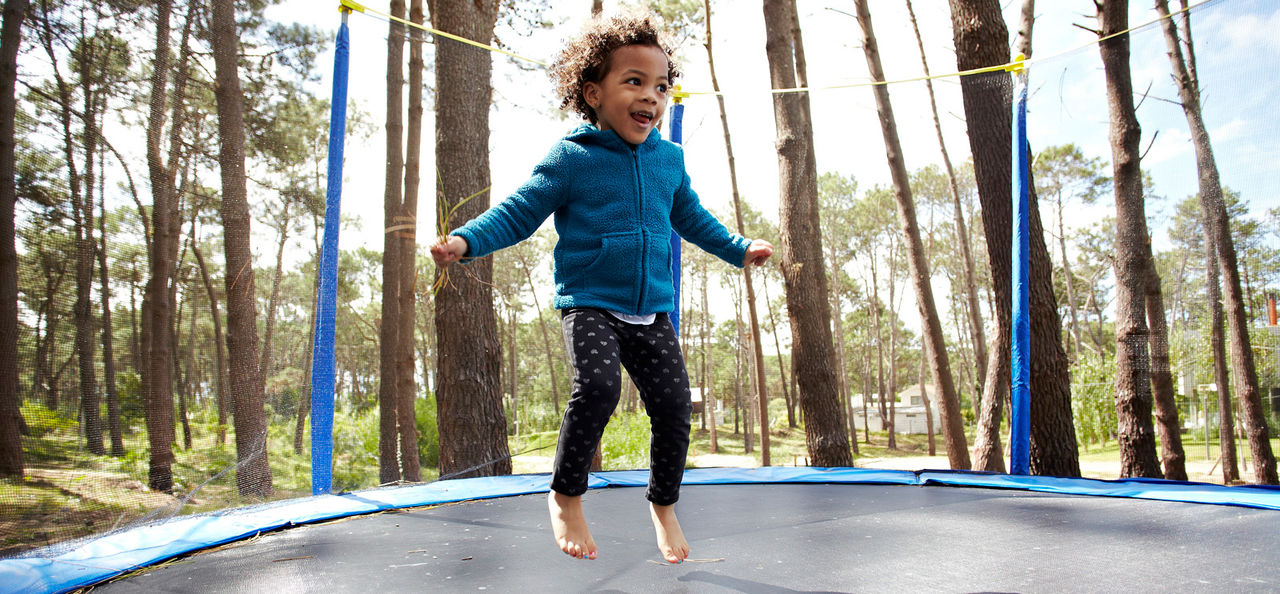
There is something especially enjoyable about your kids having friends over to go swimming in your backyard pool or play on a swing set or monkey bars, but sometimes the fun is interrupted by an injury. That's when a homeowner must worry, as it could result in a costly lawsuit.
The fact is, many items in your backyard, especially recreational equipment, are also a liability since you could be held legally responsible for injuries sustained by guests on your property. Some recreational items carry greater liability risks than others, so it's crucial to take safety precautions and understand how your insurance may help protect you.
Here's a look at the most common backyard items that can be a liability, and how to help protect your guests and your finances in case someone is injured.
Swimming Pools and Hot Tubs
Swimming pools are often considered an “attractive nuisance” because they may draw children onto a property and create serious safety risks. Drowning is the leading cause of unintentional death for children ages 1 to 4.
How to help reduce risk: Install a fence at least 4 feet high with a self-latching gate. For above-ground pools, remove or lock the ladder when not in use. Pool covers and motion alarms add an extra layer of protection.
Trampolines
Trampolines send more than 100,000 kids to emergency rooms every year. Broken bones, head injuries and spinal trauma are some of the most common injuries.
How to help reduce risk: Use safety netting around the perimeter. Supervise children at all times, follow age and weight restrictions, and remove access ladders when not in use.
Swing Sets and Monkey Bars
Kids falling from playground equipment can break bones or sustain other injuries, especially when the structure is built over hard surfaces.
How to help reduce risk: Anchor equipment securely and install shock-absorbing material underneath, such as mulch, rubber tiles or wood chips. Regularly inspect for loose bolts or worn parts.
Treehouses
Treehouses often lack secure access points and can be built on unstable limbs. Falls from even moderate heights can result in serious injury.
How to help reduce risk: Take down ladders when a parent is not around or can't supervise play. Regularly check structural integrity. Avoid building them higher than 10 feet off the ground.
Fire Pits and Grills
Fire and hot surfaces pose obvious dangers, especially to young children. Burns and accidental fires are common.
How to help reduce risk: When using a fire pit, never leave flames unattended. Maintain a safe perimeter and keep children at a distance.
Your insurance
Homeowners insurance typically includes personal liability coverage, but not all backyard items are treated equally by insurers.
For example, trampolines and pools often trigger higher premiums or special conditions. Some insurers may deny coverage outright unless specific safety measures, like fencing, are in place. Ziplines, treehouses and large play structures may also prompt restrictions or require disclosure to your insurance carrier.
Most homeowners policies include $100,000 to $500,000 in liability coverage, but this may not be enough for a serious injury. You can boost your protection by adding umbrella insurance, which kicks in if you exceed your homeowners insurance liability maximum as a result of a claim or lawsuit. Umbrella policies are typically purchased in $1 million increments.
Depending on your policy, homeowners insurance may include personal liability coverage and medical payments coverage. These coverages can help with certain expenses if someone is injured on your property, subject to policy terms, limits and exclusions. Coverages may include:
Medical expenses: This typically includes hospital bills and doctor visits for a guest's injury.
Legal costs: If a claim escalates into a lawsuit, your liability insurance may cover legal expenses, including attorney fees and court costs, whether you're ultimately found liable or not.
Lost wages: If someone is injured on your property and can't work, your liability coverage may help pay for their lost income.
Death benefits: If a fatal accident occurs and you are found legally responsible, liability coverage may help pay covered damages.
One last tip: Before installing or using backyard recreational items, check with your insurance agent to help ensure you're adequately covered and in compliance with your policy's safety requirements.
This information is being provided for general informational purposes only. Meemic Insurance Company does not assume any liability in connection with providing this information.