

Will Your Policy Cover Your Stuff at a Self-Storage Facility?
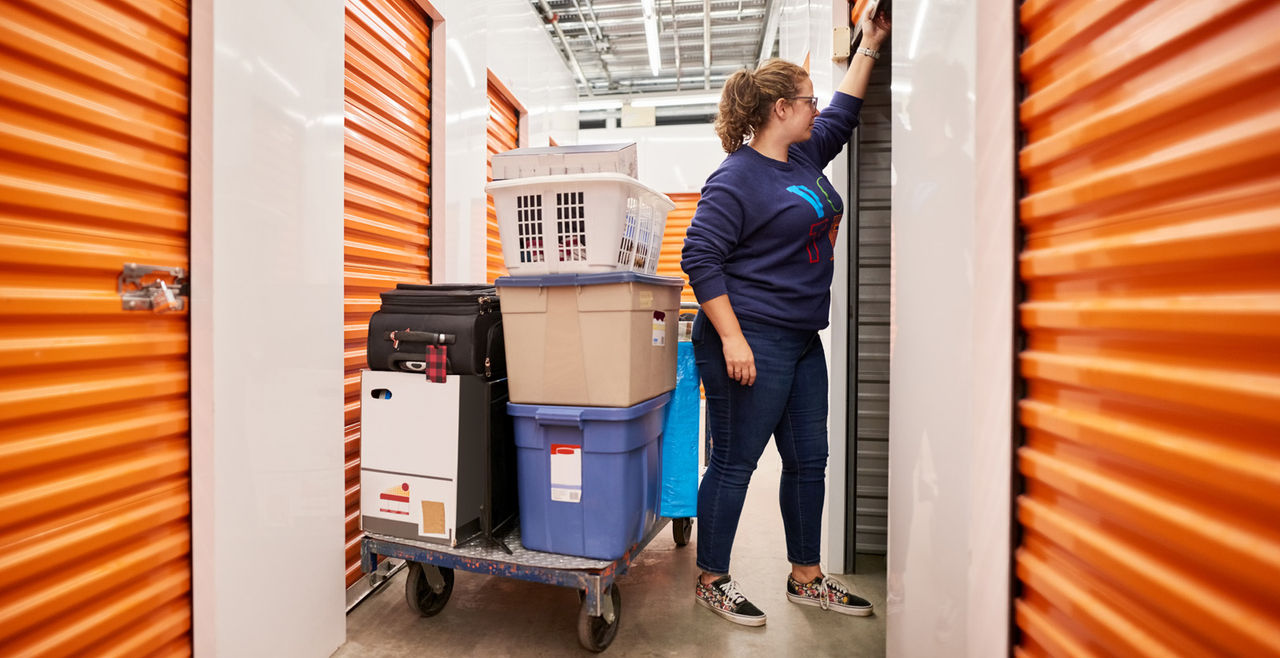
Americans are increasingly renting space in self-storage facilities to keep excess belongings that they don't have room for at home.
These spaces offer a convenient way to keep your possessions safe, but once in a while, things can go wrong, and your items can be damaged by fire, water or vandalism, and sometimes thieves abscond with your goods. If that happens, will your homeowners or renters insurance cover the loss?
Homeowners and renters insurance policies generally include off-premises coverage, which usually applies to belongings in storage. However, this coverage is typically limited to 10% of the personal property coverage amount, which is often about 50% to 70% of your dwelling's property damage limits.
In other words, if you keep a lot of expensive items in your storage unit, your homeowners or renters insurance insurance may not provide enough coverage for a total loss. Fortunately, there are ways to insure your stored belongings.
Homeowners and renters insurance will generally cover your property if it's damaged or stolen due to a covered event, such as:
- Fire or smoke damage
- Theft with evidence of forced entry
- Vandalism
- Windstorms or hail
- Water damage from burst pipes (not flooding)
Other Options
You should note that your homeowners or renters insurance policy may cap payouts for high-value items like jewelry or artwork. For example, if artwork worth $3,000 is stolen from your storage unit and your limit for high-value items is only $1,500, your insurance won't fully cover the artwork's value.
You can usually get additional coverage for these items by adding scheduled personal property coverage to your homeowners or renters policy, which will list specific items subject to higher limits. This will generally cover the full value of your belongings with no deductible, but you will need to pay extra for the coverage. Your insurer will likely request receipts and appraisals for the items you want to insure with this type of coverage.
Finally, there is storage unit insurance. This type of coverage will typically mimic what your homeowners or renters policy will cover, so if you have either, you will not probably need this coverage. That said, some storage unit policies may additionally cover damage caused by earthquakes or floods.
How to Help Protect Your Stored Stuff
While your homeowners or renters insurance likely provides some protection, it's best to avoid damage or theft to begin with. Fortunately, there are steps you can take to help protect your belongings.
Safeguard the key: Secure your storage key to prevent theft. Lock or hide it somewhere only you know. If you give it to someone else, make sure you trust them completely.
Choose a unit on a higher level: Since homeowners insurance won't usually cover floods, choose an elevated unit if possible, especially when you have water-sensitive items.
Ensure proper packing: Organized, properly packed items are easier to track. Categorize items in boxes and close them securely. This way, you'll notice if someone has opened them without permission.
The Takeaway
If possible, talk to your insurance agent before signing a contract to rent a storage unit and placing items in it. Consider a climate-controlled facility to deter dampness, which can damage furniture and appliances.
The property should be fenced, have controlled access and include 24-hour video surveillance cameras and security pads. Also, consider asking the facility about its fire or flood procedures and how it takes measures to exterminate pests.
Keep an inventory of items in the storage unit and take pictures of the stored belongings. There are even apps for such purposes. Finally, use durable packing materials like strong cardboard boxes, and seal boxes tightly to keep moisture out.
This information is being provided for general informational purposes only. Meemic Insurance Company does not assume any liability in connection with providing this information.